
Oil Painting
Discover a whole new world of Oil Painting with ArtStore Online.
At ArtStore Online, we seek to bring you the best Oil Painting brands available, and have a wide range of art & craft supplies from trusted and respected brands from around the world. Discover our Oil Painting brands including Archival, Archival Oils, Art Spectrum, Langridge, Lefranc & Bourgeous, Matisse, Pebeo, Schmincke, Sennelier, Winsor & Newton and more!
At ArtStore Online, whether you are an avid painter, illustrator or a complete beginner, we will strive to help you with whatever Oil Painting you need.
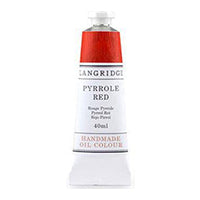
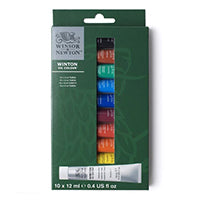

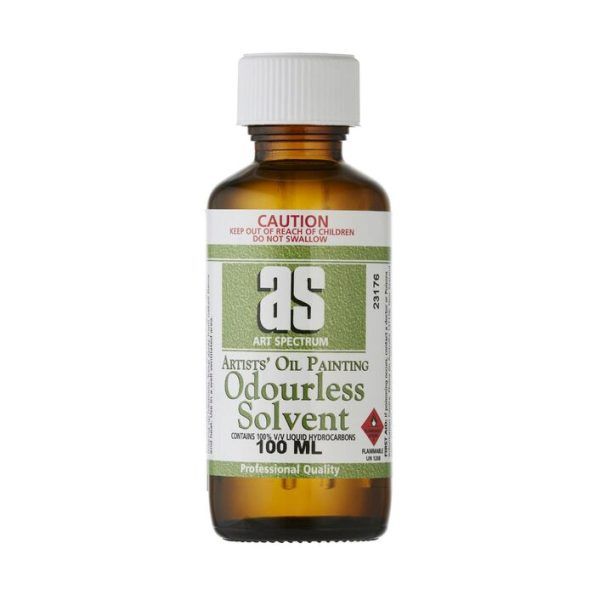
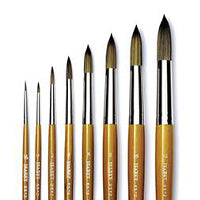

Art Spectrum Artist Oil Paint 40ml
Original price
$18.65
-
Original price
$85.95
Original price
$18.65
$18.65
-
$85.95
$18.65
-
$85.95
Current price
$18.65
With over 55 years of heritage, Art Spectrum® Artists’ Oil Colour Paints are Australia’s most respected professional oil paints. Proudly Australian...
View full details
Original price
$18.65
-
Original price
$85.95
Original price
$18.65
$18.65
-
$85.95
$18.65
-
$85.95
Current price
$18.65

Art Spectrum Artist Oil Paint 150ml
Original price
$50.95
-
Original price
$255.00
Original price
$50.95
$50.95
-
$255.00
$50.95
-
$255.00
Current price
$50.95
With over 55 years of heritage, Art Spectrum® Artists’ Oil Colour Paints are Australia’s most respected professional oil paints. Proudly Australian...
View full details
Original price
$50.95
-
Original price
$255.00
Original price
$50.95
$50.95
-
$255.00
$50.95
-
$255.00
Current price
$50.95
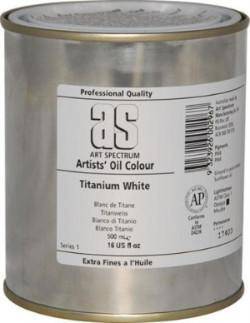
Art Spectrum Artist Oil Paint 500ml
Original price
$90.95
-
Original price
$596.00
Original price
$90.95
$90.95
-
$596.00
$90.95
-
$596.00
Current price
$90.95
With over 55 years of heritage, Art Spectrum® Artists’ Oil Colour Paints are Australia’s most respected professional oil paints. Proudly Australian...
View full details
Original price
$90.95
-
Original price
$596.00
Original price
$90.95
$90.95
-
$596.00
$90.95
-
$596.00
Current price
$90.95
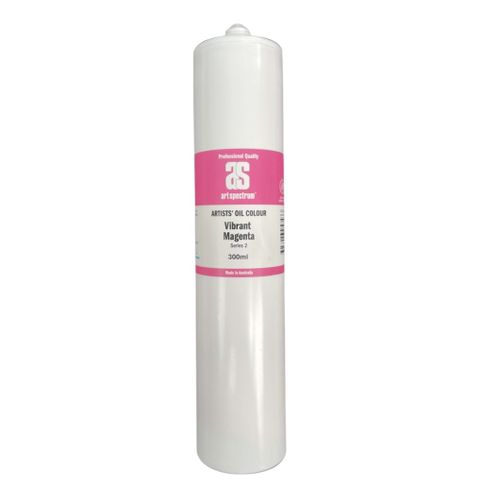
Art Spectrum Artist Oil Paint 300ml Cartridge
Original price
$73.95
-
Original price
$379.00
Original price
$73.95
$73.95
-
$379.00
$73.95
-
$379.00
Current price
$73.95
With over 55 years of heritage, Art Spectrum® Artists’ Oil Colour Paints are Australia’s most respected professional oil paints. Proudly Australian...
View full details
Original price
$73.95
-
Original price
$379.00
Original price
$73.95
$73.95
-
$379.00
$73.95
-
$379.00
Current price
$73.95

Art Spectrum Artist Oil Colour Sets
Original price
$106.25
-
Original price
$152.95
Original price
$106.25
$106.25
-
$152.95
$106.25
-
$152.95
Current price
$106.25
Art Spectrum oil colours are pure, brilliant and intense, and have lightfast pigments and pure linseed oil (Safflower oil in whites). All colours...
View full details
Original price
$106.25
-
Original price
$152.95
Original price
$106.25
$106.25
-
$152.95
$106.25
-
$152.95
Current price
$106.25
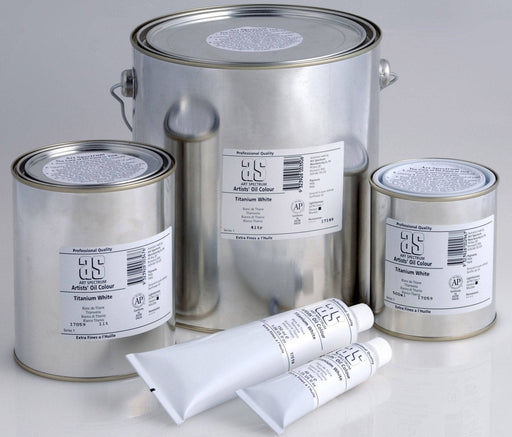
Art Spectrum Artist Oil Paint 1Lt Titanium White
Original price
$180.00
-
Original price
$180.00
Original price
$180.00
$180.00
$180.00
-
$180.00
Current price
$180.00
With over 55 years of heritage, Art Spectrum® Artists’ Oil Colour Paints are Australia’s most respected professional oil paints. Proudly Australian...
View full details
Original price
$180.00
-
Original price
$180.00
Original price
$180.00
$180.00
$180.00
-
$180.00
Current price
$180.00
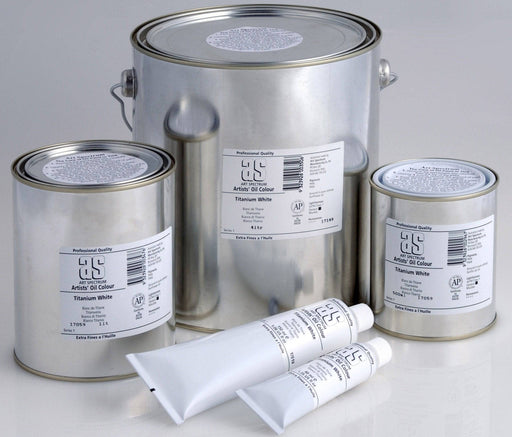
Art Spectrum Artist Oil Paint 4Lt Titanium White
Original price
$550.00
-
Original price
$550.00
Original price
$550.00
$550.00
$550.00
-
$550.00
Current price
$550.00
With over 55 years of heritage, Art Spectrum® Artists’ Oil Colour Paints are Australia’s most respected professional oil paints. Proudly Australian...
View full details
Original price
$550.00
-
Original price
$550.00
Original price
$550.00
$550.00
$550.00
-
$550.00
Current price
$550.00
What is oil paint?
Oil paint is a type of paint that uses oil as a binder. It is typically made from a blend of oil and pigments, often using linseed oil, and can be used for both oil painting and oil-based mixed media. Oil paint is also very versatile, so it can be used for a variety of different art styles. Additionally, it dries slowly, so it's perfect for those who want to take their time with their artwork.
Oil paint has been used for centuries and is known for its rich, vibrant colours. This makes it a great choice for those who want to create beautiful, lasting art. Its long drying time provides greater flexibility. Thus, it is ideal for traditional methods and detailed painting techniques.
What are the benefits of oil paint?
Oil paint is one of the oldest and most versatile mediums in the history of art. It has a long tradition of use among some of the world's most famous artists, and its popularity continues to this day. Oil paint has many benefits that make it a favoured choice for artists of all skill levels.
Some of the benefits of oil paint include:
● Oil paint can create a wide range of effects, from very smooth, glossy surfaces to rough, textured ones.
● Oil paint dries slowly, giving artists more time to work with it and experiment before the final product is complete. The extended drying time is one reason many professionals continue to prefer oil paint.
● Oil paint offers a rich colour palette, producing vibrant hues not possible with other types of paint. Popular colours include rich reds, yellows and subtle earth tones that maintain their brilliance in different light conditions.
● Oil paint is also relatively easy to find and purchase. Hence, it is a great option for those just starting out in their artistic endeavours.
What is the difference between oil paint and acrylic paint?
Oil paint and acrylic paint are both painting media. Oil paint is a traditional medium made from drying oils, pigments, and resins. Acrylic paint is a synthetic polymer made from acrylic acid. While oil paint has been used for centuries, acrylic paint was only developed in the 20th century.
Oil paint dries slowly, which allows the artist to work with it for a longer period. Acrylic paint dries quickly, which can be an advantage or disadvantage depending on the desired effect. Oil paint also has a luminous quality that gives paintings made with oil paint a unique look. Acrylic paint can be mixed with other mediums to create different effects.
Both oil painters and acrylic painters can produce beautiful works of art. It is up to the individual artist to decide which type of paint is best for their needs. Many professional artists still prefer oil paint because of its flexibility and ability to blend colours over a longer period.
What is the difference between oil paint and watercolour paint?
Oil paint and watercolour paint are two types of paint with different properties. Oil paint is made with oil, while watercolour paint is made with water. Oil paint is thicker than watercolour paint, dries more slowly, and has a higher pigment concentration. This means that oil paint is more opaque and can create richer colours. Watercolour paint is thinner and dries faster, but it can be difficult to control its opacity. Unlike watercolour, oil paint rarely dries quickly, giving artists more time to refine every detail.
Are oil paint colours good for beginners?
Oil paint is a popular choice for beginner painters because it is relatively easy to work with. The paint can be applied thick or thin, opaque or transparent, and it dries slowly, giving the painter time to make corrections. Oil paint is also versatile, as it can be used on a variety of surfaces. Overall, oil paint is a good choice for beginners willing to take the time to learn to use it properly. Why not watch tutorials, explore different techniques and follow helpful tips to build confidence as your skills develop?
What surfaces can you use oil paint on?
Many surfaces can be painted with oil paint, including paper, wood, metal, plastic, and canvas. However, before you get started, most surfaces require a primer, and the type of primer depends on the surface. Using quality preparation materials is an important part of achieving long-lasting results.
Do I need to seal an oil painting?
No, oil paintings do not need to be sealed. However, if you want to protect your painting from dirt and grime, you can apply a varnish. Applying a varnish will also give your painting a glossy sheen and help preserve your artwork for life.
What art supplies are needed when using oil paint?
Other supplies you will need when using oil paint include:
- ● a palette for mixing colours
- ● oil painting brushes
- ● a canvas or other surface to paint on
- ● oil painting mediums (optional)
- ● a rag or paper towel for cleaning up
- ● oil paint thinner (optional)
- ● a container for storing your used paint brush bristles (optional)
- ● an easel (optional)
Many artists also choose linseed oil as a painting medium to improve flow and handling, depending on the technique they wish to achieve.
What are some common mistakes people make when using oil paint?
- ● Applying oil paint directly to a surface without preparation
- ● Not using enough oil paint, which can result in the paint drying too quickly
- ● Using oil paint that is too old, which can make it difficult to work with
- ● Not cleaning brushes properly after use, which can cause them to become stiff and unusable
- ● Trying to rush the painting process, which can lead to sloppy results.
Another common reason for disappointing results is not allowing enough drying time between layers. Artists have loved oil painting since the Renaissance, particularly in Italy, because the medium rewards patience and careful craftsmanship.
We offer a wide range of oil paints to help you explore this timeless painting tradition.