
Painting Supplies
Discover a whole new world of painting with ArtStore Online.
At ArtStore Online, we seek to bring you the best painting brands available and have a wide range of art supplies from trusted and respected brands from around the world. Discover our Painting brands including Art Basics, Art Spectrum, Atelier, Daniel Smith, Derivan, Derwent, Golden, Holbein, Jacquard, Jo Sonja, Kuretake, Langridge, Liquitex, Matisse, Neef, Pebeo, Raphael, Winsor & Newton and more!
Browse through our extensive range of supplies for acrylic painting, oil painting, and gouache painting. Whether you are an avid painter, illustrator, or complete beginner, we will strive to help you with whatever paint you need.



Gamblin Oil Ground 237ml
Original price
$41.50
-
Original price
$41.50
Original price
$41.50
$41.50
$41.50
-
$41.50
Current price
$41.50
Why Choose Gamblin GroundGamblin Oil Painting Ground provides a strong, bright, and non-absorbent foundation for your oil paintings. Formulated wit...
View full details
Original price
$41.50
-
Original price
$41.50
Original price
$41.50
$41.50
$41.50
-
$41.50
Current price
$41.50
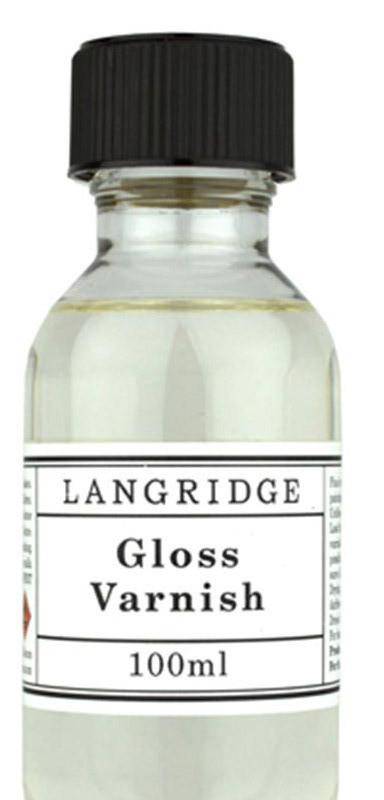
Langridge Artist Oil Varnish (Gloss)
Original price
$16.50
-
Original price
$48.00
Original price
$16.50
$16.50
-
$48.00
$16.50
-
$48.00
Current price
$16.50
Langridge Artist Varnish is an acrylic resin based synthetic varnish. Final varnish for protection of oil & acrylic paintings. Unifies painting...
View full details
Original price
$16.50
-
Original price
$48.00
Original price
$16.50
$16.50
-
$48.00
$16.50
-
$48.00
Current price
$16.50
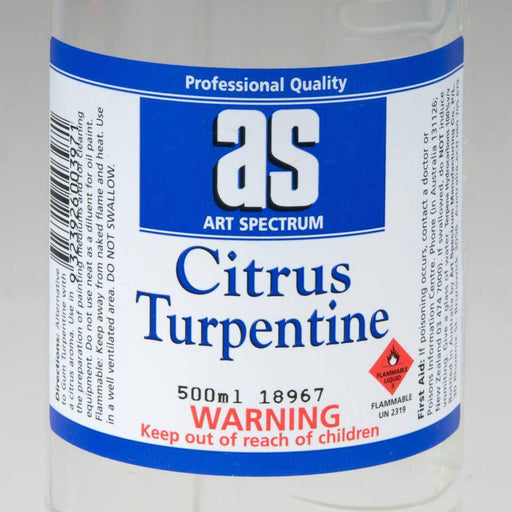
Art Spectrum Citrus Turps
Original price
$27.50
-
Original price
$103.50
Original price
$27.50
$27.50
-
$103.50
$27.50
-
$103.50
Current price
$27.50
For cleaning brushes and for thinning paint. Double distilled for artist's use with a citrus aroma for those allergic to other turpentines. Made fr...
View full details
Original price
$27.50
-
Original price
$103.50
Original price
$27.50
$27.50
-
$103.50
$27.50
-
$103.50
Current price
$27.50

Winsor & Newton Artisan Varnish (Matte)
Original price
$29.95
-
Original price
$29.95
Original price
$29.95
$29.95
$29.95
-
$29.95
Current price
$29.95
Winsor & Newton Artisan Varnish is a water based varnish which does not contain any hazardous solvents. The varnish provides finished oil paint...
View full details
Original price
$29.95
-
Original price
$29.95
Original price
$29.95
$29.95
$29.95
-
$29.95
Current price
$29.95
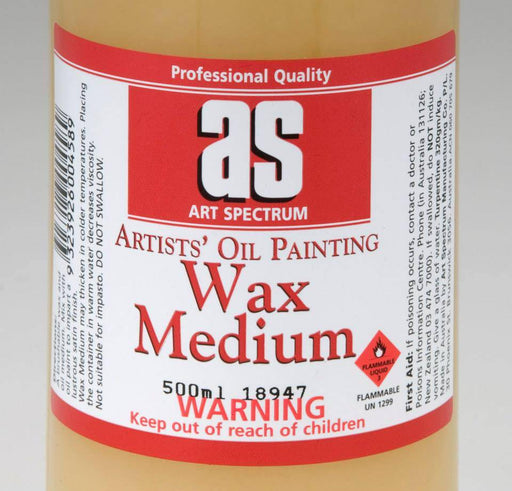
Art Spectrum Wax Medium
Original price
$33.00
-
Original price
$99.95
Original price
$33.00
$33.00
-
$99.95
$33.00
-
$99.95
Current price
$33.00
Wax Medium is a mixture of Linseed Oil and Beeswax. Mix with oil colour to achieve a translucent effect. Not suitable for heavy impasto and do not ...
View full details
Original price
$33.00
-
Original price
$99.95
Original price
$33.00
$33.00
-
$99.95
$33.00
-
$99.95
Current price
$33.00

Winsor & Newton Varnish (Gloss)
Original price
$31.00
-
Original price
$115.00
Original price
$31.00
$31.00
-
$115.00
$31.00
-
$115.00
Current price
$31.00
Winsor & Newton Varnish is a modern general purpose high gloss varnish. It is a clear liquid which dries to a non-yellowing glossy film. It may...
View full details
Original price
$31.00
-
Original price
$115.00
Original price
$31.00
$31.00
-
$115.00
$31.00
-
$115.00
Current price
$31.00
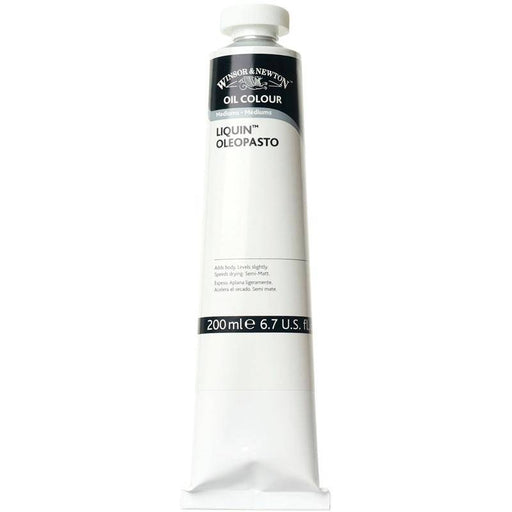
Winsor & Newton Liquin Impasto (Oleopasto) 200ml
Original price
$111.00
-
Original price
$111.00
Original price
$111.00
$111.00
$111.00
-
$111.00
Current price
$111.00
A semi-matt, quick drying, non-yellowing impasto medium. It has a soft gel consistency with some brush drag, levels crisp brush marks, extends tube...
View full details
Original price
$111.00
-
Original price
$111.00
Original price
$111.00
$111.00
$111.00
-
$111.00
Current price
$111.00

Winsor & Newton Distilled Turps
Original price
$20.50
-
Original price
$80.50
Original price
$20.50
$20.50
-
$80.50
$20.50
-
$80.50
Current price
$20.50
All solvents vary in strength and their capacity to 'loosen up' the body of the colour. The artists' grade solvent with the greatest power is Disti...
View full details
Original price
$20.50
-
Original price
$80.50
Original price
$20.50
$20.50
-
$80.50
$20.50
-
$80.50
Current price
$20.50

Winsor & Newton Retouch Varnish
Original price
$27.00
-
Original price
$69.25
Original price
$27.00
$27.00
-
$69.25
$27.00
-
$69.25
Current price
$27.00
Winsor & Newton Retouch Varnish is a clear liquid varnish, which dries to a non-yellowing, glossy film. Gives temporary protection to recently ...
View full details
Original price
$27.00
-
Original price
$69.25
Original price
$27.00
$27.00
-
$69.25
$27.00
-
$69.25
Current price
$27.00

Winsor & Newton Artisan Varnish Remover
Original price
$29.95
-
Original price
$29.95
Original price
$29.95
$29.95
$29.95
-
$29.95
Current price
$29.95
Winsor & Newton Artisan Gloss, Matt and Satin varnishes can be removed with Artisan Varnish Remover when dirty. With all mediums always shake t...
View full details
Original price
$29.95
-
Original price
$29.95
Original price
$29.95
$29.95
$29.95
-
$29.95
Current price
$29.95

Matisse Artist (Turps based) Finish Varnish (Gloss)
Original price
$25.00
-
Original price
$44.25
Original price
$25.00
$25.00
-
$44.25
$25.00
-
$44.25
Current price
$25.00
(Mineral Turpentine-Based Acrylic Resin) This varnish produces a hard non-yellowing, protective coating similar in appearance to Damar. MM14 Gloss ...
View full details
Original price
$25.00
-
Original price
$44.25
Original price
$25.00
$25.00
-
$44.25
$25.00
-
$44.25
Current price
$25.00

Winsor & Newton Dammar Varnish
Original price
$27.00
-
Original price
$27.00
Original price
$27.00
$27.00
$27.00
-
$27.00
Current price
$27.00
Winsor & Newton Dammar Varnish is a pale yellow varnish which dries quickly to a high gloss for use on oil and alkyd paintings. Traditionally a...
View full details
Original price
$27.00
-
Original price
$27.00
Original price
$27.00
$27.00
$27.00
-
$27.00
Current price
$27.00
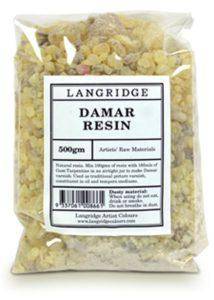
Langridge Artist Oil Damar Resin 500gm
Original price
$58.25
-
Original price
$58.25
Original price
$58.25
$58.25
$58.25
-
$58.25
Current price
$58.25
Langridge Artist Oil Damar Resin Sumatran A1 grade Damar Resin. Very clean and bright.Constituent in oil painting and egg tempera mediums. Add to m...
View full details
Original price
$58.25
-
Original price
$58.25
Original price
$58.25
$58.25
$58.25
-
$58.25
Current price
$58.25

Winsor & Newton Artisan Varnish (Satin)
Original price
$29.95
-
Original price
$29.95
Original price
$29.95
$29.95
$29.95
-
$29.95
Current price
$29.95
Winsor & Newton Artisan Varnish is a water based varnish which does not contain any hazardous solvents. The varnish provides finished oil paint...
View full details
Original price
$29.95
-
Original price
$29.95
Original price
$29.95
$29.95
$29.95
-
$29.95
Current price
$29.95

Winsor & Newton Artisan Varnish (Gloss)
Original price
$29.95
-
Original price
$29.95
Original price
$29.95
$29.95
$29.95
-
$29.95
Current price
$29.95
Winsor & Newton Artisan Varnish is a water based varnish which does not contain any hazardous solvents. The varnish provides finished oil paint...
View full details
Original price
$29.95
-
Original price
$29.95
Original price
$29.95
$29.95
$29.95
-
$29.95
Current price
$29.95
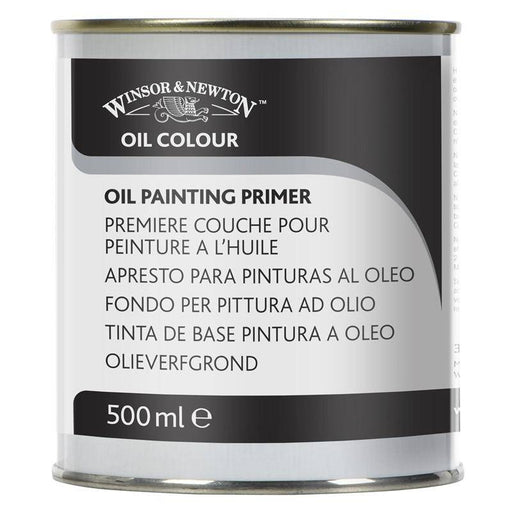
Winsor & Newton Oil Painting Primer
Original price
$153.75
-
Original price
$239.00
Original price
$153.75
$153.75
-
$239.00
$153.75
-
$239.00
Current price
$153.75
Oil painting primer imparts a traditional oil base. Some artists prefer this and may find a slight increase in gloss and smoothness. Oil primed can...
View full details
Original price
$153.75
-
Original price
$239.00
Original price
$153.75
$153.75
-
$239.00
$153.75
-
$239.00
Current price
$153.75
Discover a whole new world of painting with ArtStore Online.
At ArtStore Online, we seek to bring you the best painting brands available and have a wide range of art supplies from trusted and respected brands from around the world. Discover our Painting brands including Art Basics, Art Spectrum, Atelier, Daniel Smith, Derivan, Derwent, Golden, Holbein, Jacquard, Jo Sonja, Kuretake, Langridge, Liquitex, Matisse, Neef, Pebeo, Raphael, Winsor & Newton and more!
Browse through our extensive range of acrylic paint, oil paint, watercolour paint, gouache paint and fabric paint. Whether you are an avid painter, illustrator, or complete beginner, we will strive to help you with whatever paint you need.
What is painting?
Painting is a visual art form that involves applying pigments, colours, or other mediums to a surface, typically using brushes, palette knives, or other tools. It is a creative expression where artists use various techniques and styles to depict subjects, convey emotions, explore concepts, or communicate ideas. Painting can encompass a wide range of mediums, including acrylics, oils, watercolours, tempera, and mixed media, and it can be executed on surfaces such as canvas, paper, wood, or fabric. From representational to abstract, painting serves as a means of personal expression, storytelling, and cultural reflection, spanning diverse genres and traditions throughout history.
What surfaces can a painting be used on?
Paintings can be created on various surfaces, including canvas, paper, wood, fabric, glass, metal, plastic, and stone. Each surface offers unique characteristics that influence the final artwork, from the texture of canvas to the translucency of glass or the durability of metal. Artists choose surfaces based on their preferred medium and technique, whether it's the absorbency of watercolour paper, the smoothness of wood panels, or the reflective quality of metal or glass. Experimentation with different surfaces allows artists to explore diverse textures, effects, and expressions in their paintings.
What are some tips for painting?
Start with a Plan: Have a clear idea of what you want to paint or the effect you want to achieve before you begin.
Use Quality Materials: Invest in good quality paints, brushes, and surfaces to enhance the overall quality of your artwork.
Practice Mixing Colours: Spend time experimenting with colour mixing to achieve the desired shades and tones for your painting.
Work from General to Specific: Begin by blocking in larger shapes and areas of colour before adding details.
Experiment with Different Techniques: Explore various painting techniques such as wet-on-wet, dry brush, glazing, and impasto to add texture and interest to your artwork.
Take Breaks: Give yourself time to step back and assess your work from a distance periodically. Taking breaks also helps prevent fatigue and allows you to approach your painting with fresh eyes.
Don't Be Afraid to Make Mistakes: Mistakes are a natural part of the creative process. Embrace them as opportunities to learn and grow as an artist.
Pay Attention to Composition: Consider the arrangement of elements within your painting to create a visually pleasing composition.
Use Light and Shadow: Pay attention to light and shadow to add depth and dimension to your artwork. Consider the direction and intensity of light sources in your composition.
Keep Experimenting: Painting is a journey of exploration and discovery. Keep experimenting with new techniques, subjects, and styles to continually challenge yourself and expand your artistic skills.
Remember that painting is a personal and subjective endeavour, so don't be discouraged if your results don't match your expectations right away. With practice and perseverance, you'll continue to improve and develop your own unique artistic voice.
How long does it take paintings to dry?
The drying time for paintings varies depending on factors such as the type of paint used, the thickness of the paint layers, environmental conditions, and the presence of drying mediums or additives. Generally, acrylic paints dry the fastest, usually within minutes to hours, while oil paints can take days, weeks, or even months to fully dry, especially for thicker applications or when using drying agents. Watercolour paints typically dry relatively quickly, within minutes to hours, as the water evaporates from the paper. It's important to allow paintings to dry completely before varnishing, framing, or storing them to prevent damage or smudging.
What art supplies will I need when using paint?
When painting, necessary art supplies encompass different paint types (acrylics, oils, watercolours), an array of paintbrushes for diverse effects, a palette for colour mixing, a painting surface (canvas, paper, wood), a stable easel, cleaning tools like water and solvents, optionally a palette knife for texture, mediums or additives for paint manipulation, palette cups for liquids, and protective gear like gloves and aprons for safety.